Bench Press: Perfect Technique and Mistakes to Avoid
The bench press is the go-to exercise for the chest, but poorly executed it works the chest poorly and strains the shoulders. Here is how to master it.
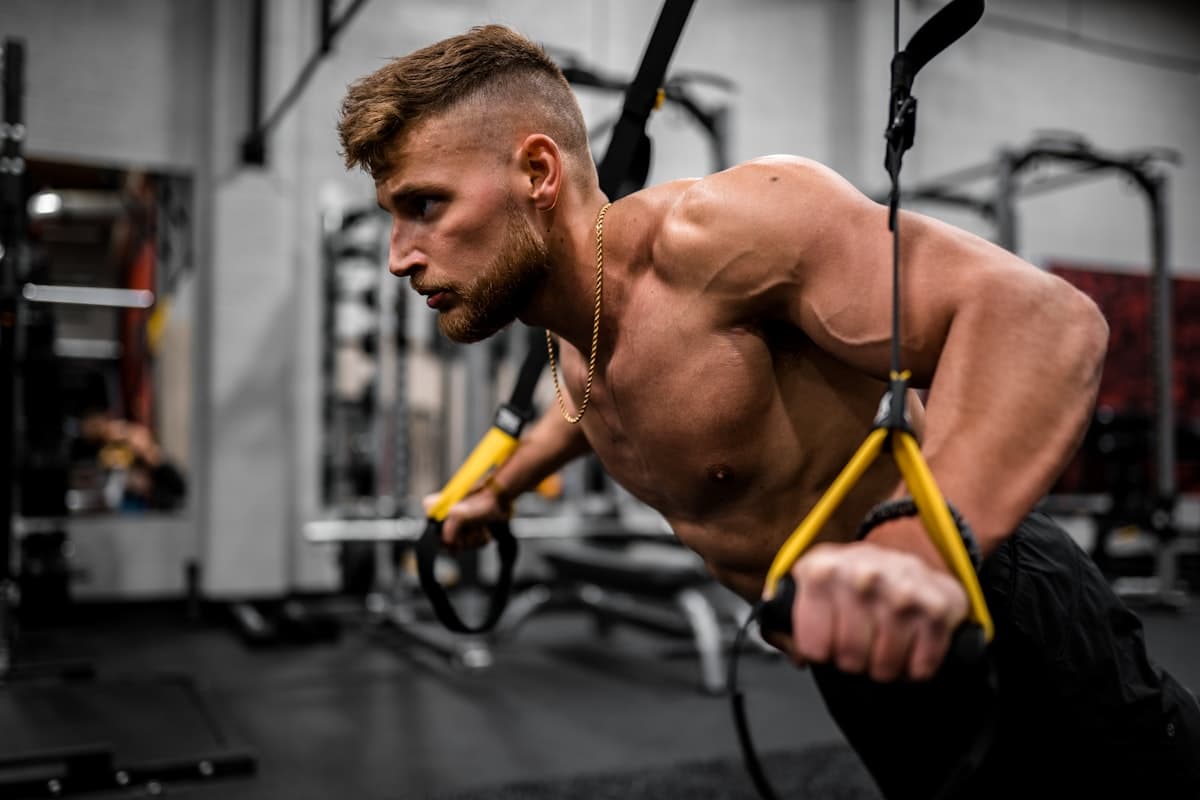
The bench press: more technical than it looks
It's probably the most popular exercise in every gym. Yet it's also one of the most poorly executed. Many turn it into a shoulder and triceps exercise, without truly developing the chest they're trying to build — and strain their shoulders in the process.
The good news is that once the right points are understood, the bench press becomes a formidable chest builder and perfectly safe.
Setup before the first rep
The starting position determines the quality of the whole set:
- Lying on the bench, eyes under the bar
- Shoulder blades retracted together and depressed toward the glutes — this is the most important point
- Feet firmly planted on the floor to stabilize the body
- Slight natural arch in the lower back, glutes in contact with the bench
- Grip slightly wider than shoulder-width
This shoulder-blade retraction creates a stable platform for your shoulders and engages the chest more. Without it, the load shifts to the shoulders.
The execution
The descent
Lower the bar in a controlled manner to the lower chest (roughly nipple height). The elbows stay at about 45-75° relative to the torso — neither fully tucked nor flared to 90° (a dangerous position for the shoulder). At the bottom, your forearms should be vertical.
The push
Push the bar up along a slight diagonal toward your shoulders, until the arms are fully extended. Think of "pushing the bench away from you" rather than pushing the bar. Keep the shoulder blades retracted throughout the movement.
The mistakes that sabotage your chest
- Unretracted shoulder blades: the number-one cause of the shift to the shoulders. Squeeze them before each set.
- Bar descending too high (toward the collarbones): puts the shoulder in a vulnerable position and reduces chest work.
- Elbows too flared (90° from the body): maximal strain on the shoulder joint.
- Bouncing off the chest: using momentum cheats the movement and risks injury. Control the descent and pause briefly.
- Glutes lifting off: a sign of too heavy a load, reduce the weight.
Safety first
The bench press is one of the few exercises where you can get stuck under the bar. Two rules:
- Never use the "suicide" grip (thumbs on the same side as the fingers): the bar can slip.
- Train with a spotter on heavy sets, or use a rack with safeties set at the right height.
Barbell or dumbbells?
Both have their benefit:
- The barbell lets you load heavy and easily measure progression. It's the best tool for strength.
- Dumbbells offer a greater range of motion (better chest stretch), correct imbalances between sides and recruit more stabilizers.
Alternating both in the long run is an excellent strategy.
Progressing on the bench press
- Work in 5 to 8 reps for strength, 8 to 12 for hypertrophy
- Increase the load by 1 to 2.5 kg only when all your sets are clean
- Keep 1 to 2 reps in reserve to preserve technique
- The bench press responds well to a frequency of twice a week
Summary
- Retract the shoulder blades: this is what shifts the work to the chest
- Lower the bar to the lower chest, forearms vertical
- Keep the elbows at 45-75°, never fully flared
- Control the descent, no bounce
- Secure your heavy sets (spotter or safeties)
- Alternate barbell and dumbbells for complete development
A good bench press isn't measured only by the weight on the bar, but by the quality of contact with your chest. Refine your position, and the progression will follow.
Frequently Asked Questions
Where should the bar come down on the bench press?+
The bar should descend to the lower chest, roughly at nipple height. Lowering it too high (toward the collarbones) puts the shoulders in a vulnerable position. The contact point should allow the forearms to be vertical at the bottom of the movement.
Should you arch your back on the bench press?+
A slight natural arch in the lower back is normal and useful: it stabilizes the shoulders and improves position. The shoulder blades should be retracted and depressed. An extreme arch, however, belongs more to powerlifting competition than to muscle building.
Why do I feel my shoulders more than my chest?+
Most often because of unretracted shoulder blades and a bar descending too high. Squeeze the shoulder blades together and down before each set, lower the bar to the lower chest, and focus on pushing with the chest, not the shoulders.
Barbell or dumbbell bench press?+
The barbell lets you load heavier and progress easily. Dumbbells offer a greater range of motion and better stabilization work, while correcting imbalances between sides. Both are complementary, and alternating is a good strategy.
A strength training enthusiast for over 6 years, I write every article starting from meta-analyses and primary studies — not forums or sponsored magazines. Learn more