Shoulder Exercises: Building Wide Delts
Developed shoulders widen your frame and create that sought-after V-shape. Here is how to work the three heads of the deltoid, with the most effective exercises.
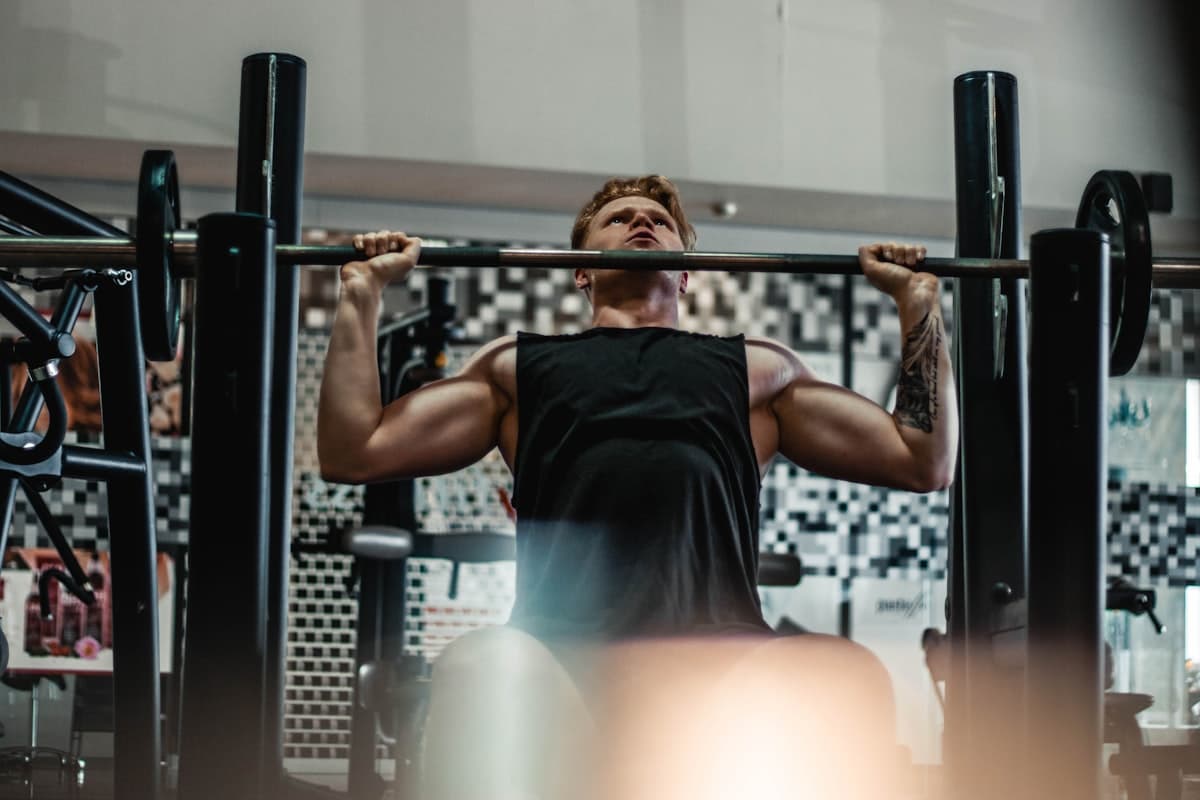
The shoulder: three muscles in one
When we talk about shoulders in training, we mean the deltoid — a muscle made up of three distinct heads, each with its own function:
- Front (anterior) head: at the front, it raises the arm forward. Already heavily worked by all presses (bench, overhead).
- Middle (lateral) head: on the side, it moves the arm away from the body. This is what gives shoulders their width.
- Rear (posterior) head: at the back, it pulls the arm backward. Most often neglected.
The classic mistake is to hammer the front head (already saturated by chest work) while forgetting the middle and rear heads. The result: shoulders that don't get wider and an imbalance that eventually causes postural problems.
Why wide shoulders change everything
Shoulder width is the main factor in the famous V-shape. A wide back contributes, but it's the middle delts that create that horizontal line at the top of the torso. It's also the most effective optical illusion for looking leaner: wide shoulders automatically make the waist look narrower.
The best exercises, head by head
Front head
The overhead press (standing, barbell or dumbbells) is the foundational movement. It loads heavy and builds mass. A single variation is generally enough, since this head already receives a lot of indirect work via the chest.
Middle head (most important for width)
Lateral raises are the king exercise. Hold a dumbbell in each hand, raise your arms out to the sides to horizontal, elbows slightly bent. The key: strict execution, no swing, in sets of 12 to 20 reps. It's the only exercise that truly isolates this head, so prioritize volume here.
Rear head
Bent-over raises and the reverse pec-deck target the back of the shoulder. This head is crucial for postural balance and long-term shoulder health. Work it in high reps, with a strong contraction at the end of the movement.
A balanced shoulder session
| Exercise | Sets | Reps | Target |
|---|---|---|---|
| Overhead press | 4 | 6-10 | Front |
| Lateral raises | 4 | 12-20 | Middle |
| Bent-over raises / reverse pec-deck | 3 | 15-20 | Rear |
| Cable lateral raises | 3 | 12-15 | Middle |
You'll notice the middle head receives the most volume: that's intentional, because it's what most lifters lack the most.
The mind-muscle connection, decisive here
Even more than on other groups, shoulders demand control. Lateral raises are often botched: too much load, and the movement becomes a swing that shifts the effort onto the traps. Lighten, slow down, and focus on the sensation in the middle deltoid.
An effective tip: pause briefly at the top of the movement and control the descent over 2 to 3 seconds. You'll immediately feel the difference in intensity.
Caution: the shoulder is fragile
The shoulder joint is the most mobile in the body, therefore the most unstable. A few rules to protect it:
- Warm up with rotations and light raises before heavy loads
- Avoid the behind-the-neck press, which places the joint in a vulnerable position
- Never neglect the rear head: a front/rear imbalance is a common cause of pain
Summary
- The deltoid has three heads: front, middle, rear
- Width comes from the middle head → prioritize lateral raises
- The front head is already worked by chest exercises, no need to overload it
- Never forget the rear head for balance and shoulder health
- Control over load: strict execution beats weight
Complete shoulders aren't built with a single exercise. Cover the three heads, give volume to the middle, and the width will come.
Frequently Asked Questions
What is the best exercise for shoulders?+
The overhead press (barbell or dumbbells) is the best foundational exercise: it heavily loads the front head and recruits the whole shoulder. But for wide shoulders, lateral raises are essential because they target the middle head, the main driver of width.
Why aren't my shoulders getting wider?+
Shoulder width comes mainly from the middle head of the deltoid, worked by lateral raises. If you only do pressing, you mainly develop the front head without gaining width. Add lateral raise volume in sets of 12 to 20 reps.
Should you train shoulders separately from chest?+
The front head of the deltoid is already heavily worked during chest exercises (bench press). So there is no need to overload it. Focus your shoulder work on the middle and rear heads, which are more often neglected and responsible for balanced development.
Lateral raises heavy or light?+
The middle head responds better to light-to-moderate work in high reps (12 to 20) with strict execution. Too much load turns the movement into a swing that recruits the traps. Prioritize the mind-muscle connection and range of motion over weight.
A strength training enthusiast for over 6 years, I write every article starting from meta-analyses and primary studies — not forums or sponsored magazines. Learn more