Body Recomposition: Losing Fat and Building Muscle
Losing fat and gaining muscle at the same time is possible — but not for everyone, nor at the same speed. Here is who can do it and how to go about it.
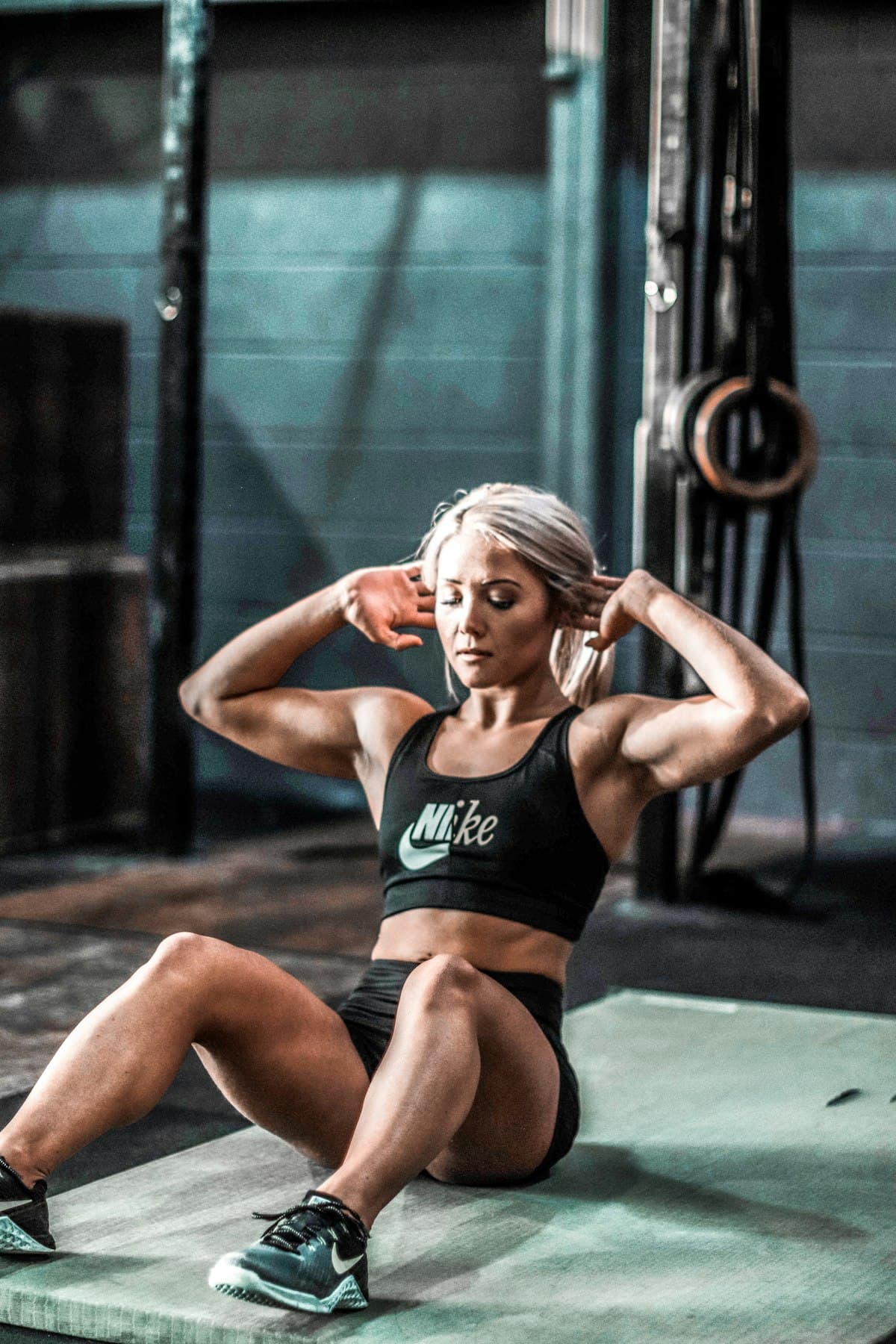
The Holy Grail of physique transformation
"Can I lose my fat and gain muscle at the same time?" It's one of the most asked questions in fitness. The honest answer: yes, it's possible — but it depends heavily on who you are and your starting point.
Body recomposition (or "recomp") consists precisely of changing your body composition — less fat, more muscle — without the number on the scale necessarily changing much. Let's see who it really applies to and how to optimize it.
Why it's usually difficult
Normally, building muscle requires a calorie surplus (eating more than you expend) and losing fat requires a deficit (eating less). These two goals seem contradictory — hence the difficulty of pursuing them simultaneously.
That's why the classic strategy is to alternate: a bulking phase, then a cutting phase. But in certain situations, the body can do both at once by drawing the energy to build muscle directly from its fat stores.
Who can succeed at recomposition?
Recomposition works particularly well in three cases:
- True beginners: their potential for muscle gains is maximal, and their body responds strongly to the new stimulus. They can build muscle even in a slight deficit.
- Overweight people returning to training: they have large fat stores to mobilize, which easily fuels muscle building.
- Those returning after a break: thanks to "muscle memory," they quickly regain lost muscle while losing fat.
Conversely, for an intermediate or advanced lifter already lean, simultaneous recomposition becomes very slow. In that case, alternating dedicated phases is often more effective.
Nutrition: the heart of recomposition
Calories: around maintenance
Recomposition generally plays out around your TDEE (maintenance), or with a very slight deficit. The idea is to provide enough energy to build muscle, while creating the conditions to draw on fat.
An effective approach is to cycle calories: a slight surplus on training days (to support muscle building) and a slight deficit on rest days (to favor fat loss).
Protein: even more important
In recomposition, protein intake is crucial. Aim for the high end: 2 to 2.4 g per kilo of bodyweight. High protein maximizes muscle building while protecting existing mass, and increases satiety.
Training: intensity and progressive overload
On the gym side, nothing revolutionary: it's intense weight training with progressive overload that stimulates muscle building. Recomposition is defined by nutrition, not a special training type.
Keep seeking to lift heavier or do more reps over the weeks. It's this progress signal that tells your body to build muscle, even in a tight calorie situation.
Measuring progress differently
In recomposition, the scale is misleading. Since you're losing fat and gaining muscle, your weight can stay stable while your physique changes radically. Instead use:
- Progress photos (same lighting, same angle, every 2-4 weeks)
- Measurements (waist in particular)
- Performance in training (you're getting stronger)
- The mirror
If your waist is shrinking and you're getting stronger, recomposition is working — regardless of the scale.
Patience: the key word
Recomposition is slower than focusing on a single goal. Results are measured over several months, not a few weeks. That's the price of doing two things at once. If you're in a hurry to reach a specific goal, a dedicated cutting or bulking phase will be faster.
Summary
- Recomposition = losing fat and gaining muscle simultaneously
- It mainly works for beginners, overweight people and returns
- Eat around maintenance, with a high protein intake (2-2.4 g/kg)
- Training stays intense weight training with progressive overload
- Don't rely on the scale: photos, measurements and performance
- Be patient: it's slower than a single goal
Recomposition isn't magic, but for the right person in the right situation, it's the most effective path to transforming your physique.
Frequently Asked Questions
Can you lose fat and build muscle at the same time?+
Yes, but especially in certain situations: beginners, overweight people returning to training, and those coming back after a break. For an intermediate or advanced lifter already lean, simultaneous recomposition is very slow and it is often better to alternate bulking and cutting phases.
How many calories for recomposition?+
Recomposition is generally done around maintenance (TDEE) or with a very slight deficit. The idea is to provide enough energy to build muscle while drawing on fat stores. A high protein intake (2 to 2.4 g/kg) is essential.
Is recomposition slower than a bulk or cut?+
Yes, generally. Losing fat and gaining muscle simultaneously requires a precise balance and results are slower than focusing on one goal at a time. That is why many advanced lifters prefer to alternate dedicated phases.
Should you train differently for recomposition?+
Training stays the same: intense weight training with progressive overload to stimulate muscle building. It is mainly nutrition (calories around maintenance, high protein) that defines recomposition, not a particular training type.
Scientific references
A strength training enthusiast for over 6 years, I write every article starting from meta-analyses and primary studies — not forums or sponsored magazines. Learn more