Omega-3 and Muscle Building: Proven Benefits, Optimal Dosing, and Best Sources
Omega-3 fatty acids are one of the few supplements with solid science behind them for lifters: reduced inflammation, improved protein synthesis, better recovery. Here's everything you need to know.
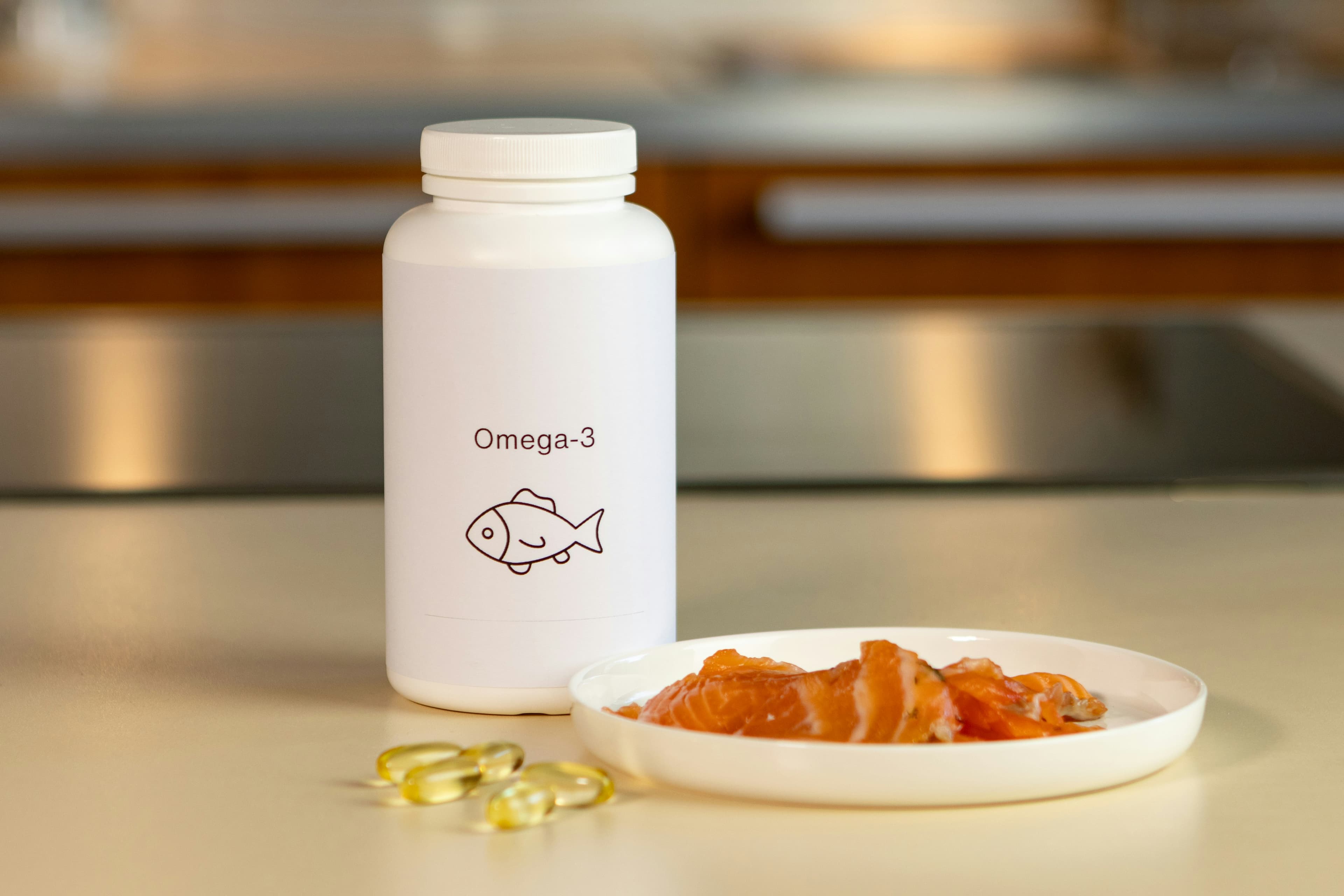
Why Omega-3s Deserve a Place in Your Routine
Omega-3 fatty acids are essential polyunsaturated fats — your body can't synthesize them; they must come from diet or supplementation. For strength training athletes, they represent one of the few supplements with strong, multi-level scientific support.
The two active forms for the human body:
- EPA (eicosapentaenoic acid): anti-inflammatory properties
- DHA (docosahexaenoic acid): cell membrane structure, brain health
ALA (found in plants: flaxseed, chia) must be converted to EPA/DHA by the body, with a very low conversion rate (<10%). Supplementing directly with EPA/DHA is significantly more effective.
Proven Benefits for Muscle Building
1. Enhanced Muscle Protein Synthesis
A study by Smith et al. (2011, American Journal of Clinical Nutrition) showed that 4 g/day omega-3 supplementation for 8 weeks increased the anabolic response to insulin and amino acids by 25% in healthy young adults.
Mechanism: omega-3s improve muscle cell membrane fluidity, facilitating mTOR signaling (the primary muscle protein synthesis pathway).
2. Reduced Post-Training Inflammation
Intense training generates inflammation (DOMS — delayed onset muscle soreness). Omega-3 EPA/DHA reduce the production of pro-inflammatory prostaglandins. Practical result: faster recovery between sessions.
A 2016 meta-analysis (Jouris et al.) of 18 studies confirms: omega-3 supplementation significantly reduces delayed muscle soreness markers.
3. Muscle Mass Preservation
Multiple studies show omega-3s have an anti-catabolic effect — they reduce muscle protein breakdown, particularly during calorie restriction (cutting) or aging.
Especially relevant during a cut: maintaining omega-3 intake helps preserve lean mass.
4. Cardiovascular Performance
Omega-3s reduce heart rate during exercise, improve cardiac efficiency, and reduce oxygen consumption during submaximal efforts. Beneficial for recovery between sets and cardio sessions.
5. Joint and Ligament Health
Omega-3s lubricate joints, reduce exercise-related joint pain, and may slow osteoarthritis progression in athletes.
Optimal Dosing
| Goal | EPA+DHA per day |
|---|---|
| General health | 500 mg - 1 g |
| Athletic performance | 2 - 3 g |
| Maximum anti-inflammatory | 3 - 4 g |
| Optimized protein synthesis | 4 g |
Practical recommendation: 2-3 g of EPA+DHA per day for regular strength training athletes. Always check the EPA+DHA content on the label (not total fish oil).
Food Sources vs Supplementation
Dietary Sources of Omega-3 EPA/DHA
| Food | EPA+DHA per 100 g |
|---|---|
| Mackerel | 3.5 g |
| Atlantic Salmon | 2.5 g |
| Sardines (canned in oil) | 3.3 g |
| Herring | 2.0 g |
| Fresh Tuna | 1.5 g |
To reach 2-3 g of EPA+DHA per day from food alone would require eating 3-5 oz (100-150 g) of fatty fish every single day. Supplementation easily fills the gap.
Choosing a Quality Omega-3 Supplement
What matters on the label:
- EPA+DHA content (not total fish oil): should be ≥ 500 mg per capsule
- Triglyceride form (rTG) vs ethyl ester (EE): triglyceride form absorbs ~70% better vs ~50%
- IFOS 5-star certification: purity and absence of contaminants (heavy metals, PCBs)
- Freshness: fishy burps or odor = oxidation. Quality supplements have minimal odor.
Krill Oil vs Fish Oil
Krill oil contains EPA/DHA in phospholipid form (better bioavailability) and astaxanthin (antioxidant). It's more expensive but potentially more effective per milligram. For most lifters, a quality rTG-certified fish oil is sufficient and significantly cheaper.
When and How to Take Omega-3s
- With meals: dietary fats improve omega-3 absorption
- Split in 2-3 doses at high doses (reduces digestive discomfort)
- No specific timing around training (effects are chronic, not acute)
- Freeze the capsules: reduces fishy burps and aftertaste
Side Effects and Contraindications
Omega-3s are exceptionally well-tolerated. At high doses (> 3-4 g/day):
- Mild nausea or loose stools when starting
- Blood-thinning effect: caution if taking anticoagulants or with scheduled surgery
- Medical consultation recommended above 5 g/day
Summary
- One of the best-documented supplements for strength athletes (inflammation, protein synthesis, recovery)
- Target dose: 2-3 g EPA+DHA per day
- Prioritize triglyceride form (rTG) with IFOS certification
- Take with meals, spread throughout the day
- Visible effects in 4-6 weeks of regular supplementation
Frequently Asked Questions
How much omega-3 should athletes take per day?+
Athletes benefit most from 2-3 g of EPA+DHA per day for performance and recovery. General health requires only 500 mg-1 g daily. The 4 g/day dosage used in some protein synthesis studies provides maximum benefit but is above what most people need.
Is fish oil the same as omega-3?+
Fish oil is a source of omega-3s, but they're not synonymous. Fish oil capsules vary widely in EPA+DHA content — some contain only 30% omega-3s per capsule. Always check the label for the actual EPA+DHA amount, not just "total fish oil" content.
When should I take omega-3 supplements?+
Take omega-3s with meals containing fat — dietary fats significantly improve absorption. Splitting the dose across 2-3 meals reduces digestive discomfort at higher doses. Timing around workouts has no specific benefit since omega-3 effects are chronic, not acute.
How long does it take to see results from omega-3 supplementation?+
Omega-3 fatty acids gradually accumulate in cell membranes over 4-8 weeks of consistent supplementation before significant anti-inflammatory and performance effects are noticeable. Unlike pre-workout stimulants, omega-3s work through long-term structural changes rather than immediate effects.
Scientific references
A strength training enthusiast for over 6 years, I write every article starting from meta-analyses and primary studies — not forums or sponsored magazines. Learn more