Stretching and Flexibility: When and How to Stretch
Stretch before or after the session? Static or dynamic? Are they even useful for lifting? Here is what science says, far from the common myths.
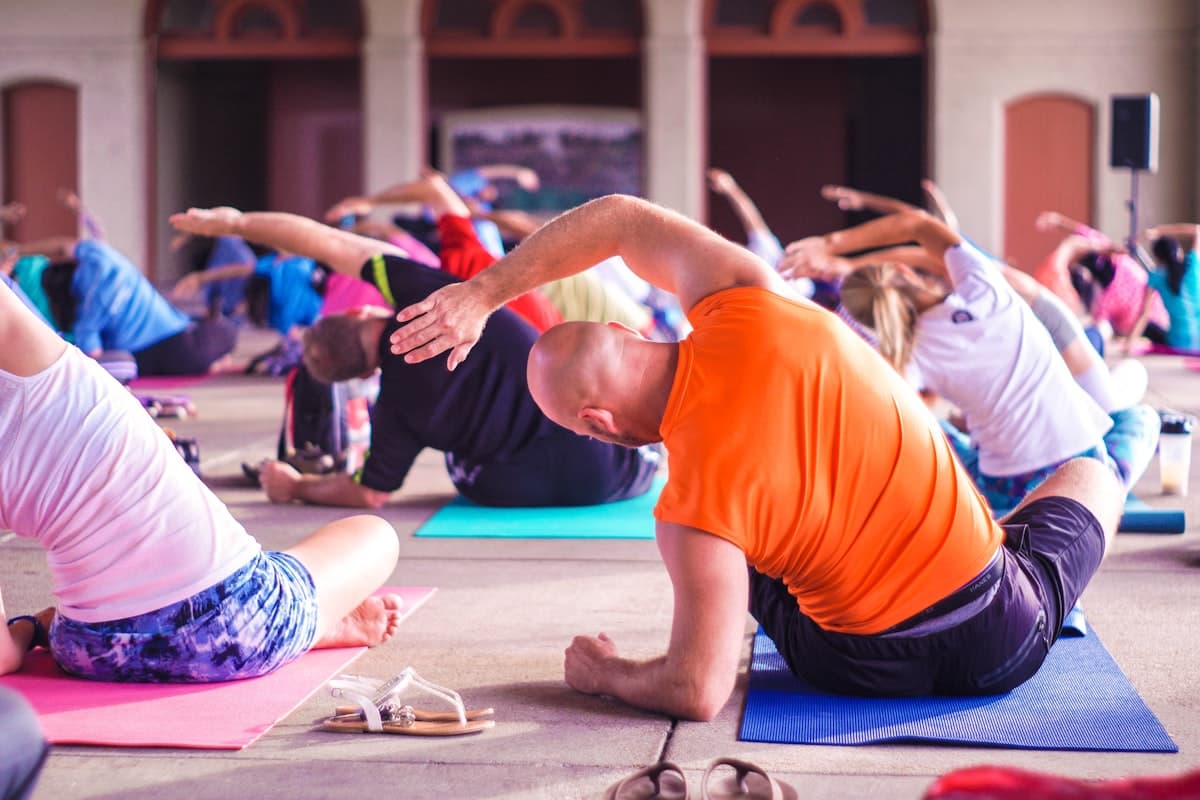
Stretching: between dogma and reality
"Stretch before exercise so you don't get injured." We've all heard this advice a thousand times. Yet modern science strongly qualifies it — and even reveals that some stretching, poorly placed, can harm your performance.
Let's sort the received ideas from what data actually says about stretching in strength training.
The two main types of stretching
First, let's distinguish two families with very different effects:
- Static stretching: holding a stretch position for a prolonged time (30 seconds or more). This is what we generally imagine when we talk about "stretching."
- Dynamic stretching: active, controlled movements that take the joint through its range (leg swings, rotations, lunges with movement).
This distinction is crucial, because these two types don't belong at the same moment at all.
The trap of static stretching before exercise
Here's the point that surprises most: prolonged static stretching before lifting can temporarily reduce your strength and power. Several studies confirm it. Holding long stretches right before lifting momentarily decreases the muscle's ability to produce force.
Practical conclusion: don't string together long static stretches right before your working sets. It's not the right moment.
What to do before the session?
Before exercise, favor dynamic stretching and active mobility. These movements prepare joint range without reducing strength:
- Leg swings (forward-backward, lateral)
- Shoulder and hip rotations
- Lunges with torso rotation
- Arm circles
Combined with a progressive warm-up (warm-up sets), they prepare your body optimally. It's far more effective than holding static stretches.
The injury-prevention myth
"Stretching prevents injuries" is a deeply ingrained belief, but the evidence is weak. Static stretching before exercise does not significantly reduce injury risk in lifting.
What actually protects is a good progressive warm-up: raising body temperature, activating the nervous system and rehearsing the movement with increasing loads. That's where prevention happens, not in prior stretching.
Does stretching reduce soreness?
Another received idea: stretching after the session would "flush out" soreness. Here again, studies show no significant effect. Stretching after training can feel pleasant and provide a moment of relaxation, but it doesn't measurably reduce soreness.
For recovery, the real levers remain sleep, nutrition (protein) and hydration — not stretching.
When stretching is useful
Should you abandon stretching then? No. It has its place, just not where people think:
- After the session or at a separate time: static stretching can help maintain or improve flexibility over the long term, without harming performance since you're no longer lifting
- To gain mobility: if a lack of range limits your technique (for example, stiff ankles preventing a good squat), targeted mobility work is useful
How much flexibility do you really need?
Let's be clear about the goal: in strength training, you don't need extreme flexibility. What you need is a sufficient joint range to perform your exercises correctly — descending deep in the squat, having a good position in the deadlift, etc.
Beyond this functional threshold, becoming hyper-flexible adds nothing to your muscle progress. Aim for enough mobility to move correctly, not contortionist performance.
Summary
- Distinguish static stretching (prolonged) and dynamic (in movement)
- Static stretching before exercise reduces strength: to avoid
- Before the session: dynamic mobility + progressive warm-up
- Stretching does not significantly prevent injuries
- It does not reduce soreness in a demonstrated way
- Save static stretching for after the session or a separate time
- Aim for functional mobility, not extreme flexibility
Stretching is neither useless nor magical. Well placed (dynamic before, static after or separately), it has its role. But don't count on it to prevent injuries or soreness: that's the job of the warm-up and recovery.
Frequently Asked Questions
Should you stretch before lifting?+
Not with prolonged static stretching, which temporarily reduces strength and power. Before exercise, favor dynamic stretching and active mobility. Save static stretching for after the session or another time of day.
Does stretching prevent injuries?+
The evidence is weak. Contrary to a widespread belief, static stretching before exercise does not significantly reduce injury risk in lifting. A good progressive warm-up is far more effective at preparing the body and limiting risks.
Does stretching reduce soreness?+
No, not in a demonstrated way. Stretching after training can feel pleasant and improve comfort, but studies show no significant effect on reducing soreness. Recovery comes above all from sleep and nutrition.
Is flexibility important for lifting?+
Sufficient joint range of motion is useful for performing exercises correctly, like descending deep in the squat. But excessive flexibility isn't necessary to progress. The goal is to have enough mobility to perform your movements with good technique, not to become a contortionist.
A strength training enthusiast for over 6 years, I write every article starting from meta-analyses and primary studies — not forums or sponsored magazines. Learn more