Whey vs Casein Protein: Which Should You Choose?
Fast-absorbing whey, slow-release casein: understanding the difference lets you optimize your protein timing. Full comparison, dosing, and practical recommendations.
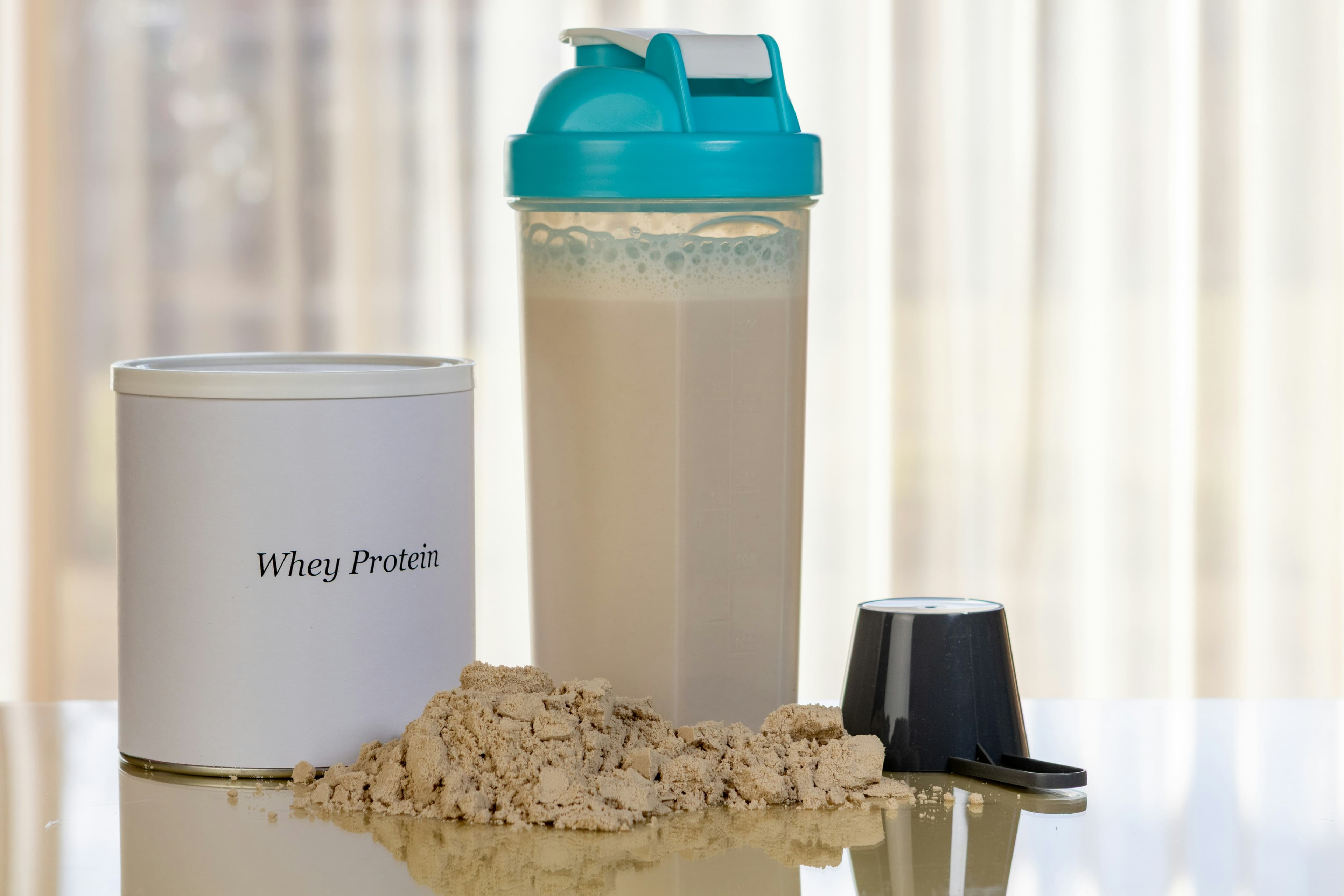
The Core Difference: Digestion Speed
Whey and casein are both milk-derived proteins. Their primary difference lies in digestion and absorption kinetics.
| Characteristic | Whey | Casein |
|---|---|---|
| Digestion | Fast (2-3h) | Slow (6-8h) |
| Amino acid peak | High and rapid | Moderate and sustained |
| Leucine (MPS trigger) | Very high | Moderate |
| Protein/100g (isolate) | 85-92 g | 75-85 g |
| Solubility | Easy | Forms thick gel |
| Relative price | Less expensive | More expensive |
Whey: The Post-Workout Champion
Why Whey After Training?
After a session, your muscles are in a catabolic state and the "anabolic window" (broader than once thought — 2-4 hours) is open. Whey:
- Digests in 2-3 hours → amino acids available quickly
- Has an exceptionally high leucine content (~11-12% of total protein)
- Leucine is the primary trigger for muscle protein synthesis (mTORC1 activation)
Whey Types and Differences
Whey Concentrate (WPC 80)
- 70-80% protein, remainder = carbs and fat
- Cheaper, often better tasting
- Suitable for most athletes
Whey Isolate (WPI 90)
- 85-95% protein, very low lactose and fat
- Better tolerated by lactose-sensitive individuals
- More expensive
Whey Hydrolysate (WPH)
- Pre-digested proteins (short peptides)
- Even faster absorption than isolate
- High cost for marginal real-world benefit
- Mainly useful for elite-level athletes
Recommended Whey Usage
- Post-workout (within 1-2 hours)
- Breakfast to supplement morning protein intake
- Snack when a whole food meal isn't available
Dose: 25-40 g per shake (depending on body weight and total needs)
Casein: The Night Protein and Extended Recovery Protein
The "Anti-Waste" Mechanism
Casein coagulates in the stomach under the effect of gastric acidity, forming a semi-solid gel. This gel is digested slowly, releasing amino acids for 6-8 hours — an "anti-catabolic" rather than anabolic profile.
During sleep, there's no food intake for 7-9 hours. Without casein, available amino acids run out after 3-4 hours and muscle protein synthesis slows significantly.
Reference Study: Res et al. (2012)
Subjects consumed 40 g of casein just before bed. Overnight muscle protein synthesis increased by 22% compared to the placebo group, without disrupting sleep or nocturnal hormone levels.
Recommended Casein Usage
- Before bed (30-40 g, 30 min before sleeping)
- Mid-afternoon snack when the next meal is far off
- As a substitute for 0% cottage cheese (same composition)
Natural alternative: Cottage cheese (skyr, regular cottage cheese) is composed primarily of casein. 1-1.5 cups (250-300 g) of low-fat cottage cheese ≈ 25-35 g of natural casein.
Head-to-Head Comparison by Scenario
| Situation | Choose | Why |
|---|---|---|
| Post-training | Whey | Fast absorption, leucine spike |
| Before bed | Casein | Sustained release |
| Quick breakfast | Whey | Practical and fast |
| Long gap between meals (4-5h) | Casein | Anti-catabolic |
| Tight budget, versatility | Whey concentrate | Best value |
| Lactose intolerance | Whey isolate or plant protein | Very low lactose |
Do You Need Both?
No, if your budget is limited. Whey alone covers 80% of needs. If you had to choose one protein powder, choose whey.
Yes, if you're optimizing: Whey post-workout + casein before bed is the most documented combination for maximizing protein synthesis over 24 hours.
Budget hack: Replace evening casein with 1-1.5 cups (250-300 g) of low-fat cottage cheese or Greek yogurt. The cost is significantly lower for a similar result.
Quality Markers That Actually Matter
- Protein content per serving (check: some products are diluted)
- Leucine content (aim for ≥ 2.5 g leucine per 30 g protein serving)
- No unnecessary fillers (free amino acids added to inflate the protein ratio)
- Flavor: choose what you can consume daily without forcing it
Summary
- Whey = fast absorption, best post-workout and morning
- Casein = slow release, best before bed and during long gaps between meals
- Both are excellent complete protein sources
- On a budget: whey concentrate + cottage cheese in the evening
- Whole food protein always takes priority — powders supplement, not replace
Frequently Asked Questions
Should I take whey or casein after a workout?+
Whey is the better choice post-workout. Its fast absorption rate delivers amino acids quickly when muscle protein synthesis is elevated. Casein's slow-release profile is better suited to periods of extended fasting, like overnight sleep.
Is casein protein necessary if I already take whey?+
Not strictly necessary. Whey alone covers 80% of protein supplementation needs. Casein adds value primarily before bed to prevent overnight muscle protein breakdown — but cottage cheese or Greek yogurt provides the same benefit at lower cost.
Can I take both whey and casein in the same day?+
Yes — this is actually optimal for maximizing muscle protein synthesis across the full 24-hour period. The classic combination: whey post-workout for the leucine spike, casein before bed for anti-catabolic overnight protection.
Is whey protein bad for lactose intolerant people?+
Whey concentrate contains some lactose and may cause issues. Whey isolate has most lactose removed and is generally well-tolerated by lactose-sensitive individuals. Casein also contains lactose but many people tolerate it better. Completely lactose-intolerant individuals should use plant-based proteins.
Scientific references
A strength training enthusiast for over 6 years, I write every article starting from meta-analyses and primary studies — not forums or sponsored magazines. Learn more