Dietary Fats for Muscle: Role, Amount and Best Sources
Too often reduced to the role of enemy, fats are actually essential for your hormone production and recovery. Here is how to manage them well in your training diet.
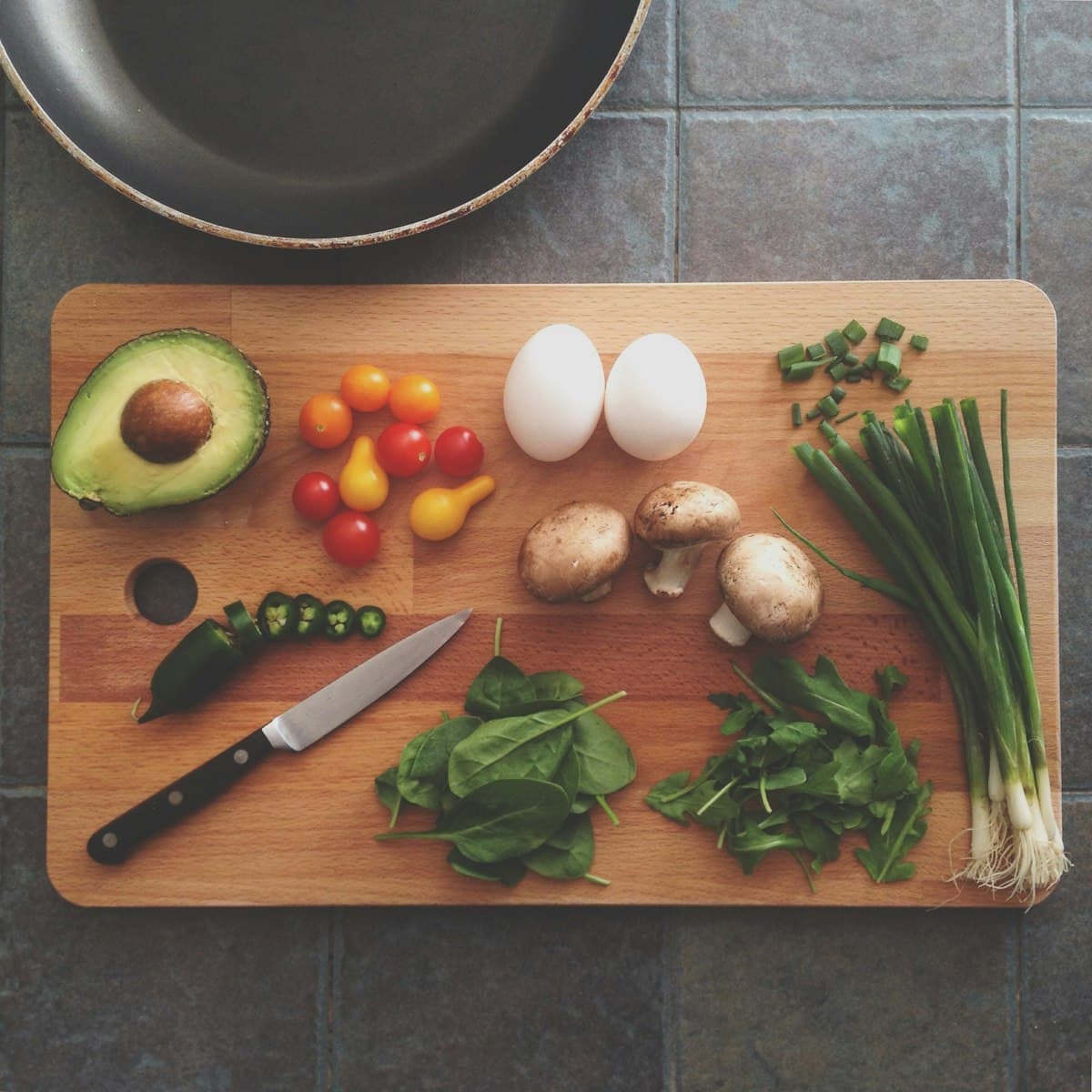
Rehabilitating fats
After decades of demonization, dietary fats still suffer from a bad reputation. "Eating fat makes you fat," people say. That's a misleading shortcut. In reality, fats are an essential macronutrient: your body needs them to function, and in particular to produce your hormones.
With this article, we complete the macronutrient trilogy: after protein and carbs, here is how to intelligently manage your fats.
Why fats are essential
Fats fulfill vital functions nothing else can:
- Hormone production: testosterone and other steroid hormones are made from cholesterol. A diet too low in fat lowers these hormones, with a direct impact on muscle gain, recovery and libido.
- Vitamin absorption: vitamins A, D, E and K are fat-soluble — they can only be absorbed in the presence of fat.
- Cellular health: the membranes of all your cells are made of lipids.
- Energy: fats are a dense, lasting energy source.
Cutting fats drastically means sabotaging your own hormone production. That's why a minimum floor is essential.
How many fats per day?
The basic rule: at least 0.8 g of fat per kilo of bodyweight. That's the threshold below which hormone production starts to suffer.
In practice, for most lifters, fats represent 20 to 30% of total calorie intake. Here's how to place them in your breakdown:
- Protein first: 1.6 to 2.2 g/kg
- Fats next: at least 0.8 g/kg
- Carbs: the rest of the calories
This order ensures you protect both your muscle (protein) and your hormones (fats), before filling the rest with training fuel (carbs).
Fats don't make you gain weight (by magic)
As with carbs, it's a common confusion. What causes fat gain is a calorie surplus, not the presence of fat on the plate.
One important nuance, though: fats are more calorie-dense — 9 kcal per gram, versus 4 kcal for protein and carbs. A small amount of fat therefore provides a lot of calories. That's why you must dose them precisely (weigh the oil, for instance), but that doesn't make them "fattening" in themselves.
Choosing your sources well
Not all fats are equal. Here's how to prioritize them:
To favor: unsaturated fats
- Olive oil (monounsaturated)
- Avocado
- Nuts: almonds, walnuts, hazelnuts
- Fatty fish: salmon, mackerel, sardines (rich in omega-3)
- Seeds: flax, chia, pumpkin
To moderate: saturated fats
Found in eggs, meat, butter and dairy. They have their place in a balanced diet — no need to ban them — but they shouldn't dominate your intake.
To avoid: trans fats
Present in some industrial products and fried foods, trans fats are the only ones truly harmful to cardiovascular health. Keep them to a minimum.
The case of omega-3
Among the unsaturated fats, omega-3s (fatty fish, flax, walnuts) deserve special attention. They have an anti-inflammatory role and support recovery and cardiovascular health. Most Western diets lack them, favoring an excess of omega-6. Balancing this ratio by regularly including fatty fish is a good strategy.
Summary
- Fats are essential: hormones, vitamins, cellular health
- Minimum floor: 0.8 g/kg, about 20-30% of calories
- They don't make you gain weight by nature, but they're dense (9 kcal/g): dose them well
- Favor unsaturated fats (olive oil, avocado, fatty fish, nuts)
- Moderate saturated, avoid trans fats
- Take care of your omega-3 for recovery and health
Don't fear fat. Give your body the minimum it needs to produce its hormones, choose quality sources, and both your performance and your health will benefit.
Frequently Asked Questions
How many fats per day for muscle building?+
A minimum of 0.8 g of fat per kilo of bodyweight is recommended to preserve hormone production. For most lifters, fats represent about 20 to 30% of total calorie intake. Going too low harms hormones and recovery.
Do fats make you gain weight?+
Not in themselves. As with carbs, it is total calorie excess that causes fat gain. Fats are simply more calorie-dense (9 kcal per gram versus 4 for carbs and protein), so they must be dosed precisely, but they are not fattening by nature.
What are the best sources of fat?+
Favor unsaturated fats: olive oil, avocado, nuts (almonds, walnuts), fatty fish (salmon, mackerel), seeds. Limit saturated fats without eliminating them, and avoid industrial trans fats as much as possible, which are harmful to health.
Should you avoid saturated fats?+
No, they should be moderated rather than banned. Saturated fats (eggs, meat, dairy) have their place in a balanced diet. What matters is overall balance: favoring unsaturated fats while keeping a reasonable share of saturated, and avoiding trans fats.
Scientific references
A strength training enthusiast for over 6 years, I write every article starting from meta-analyses and primary studies — not forums or sponsored magazines. Learn more